TrainingStarting Out
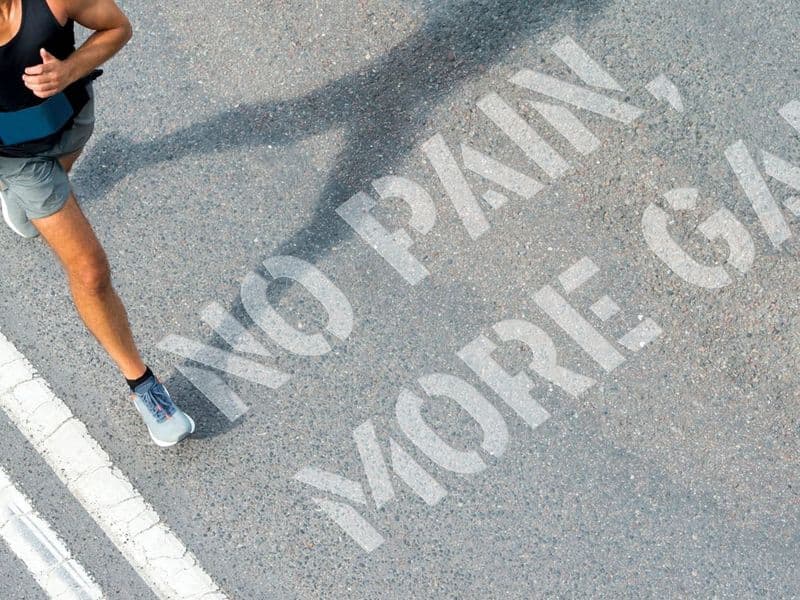
No Pain, More Gain
New to endurance training or keep finding yourself injured? Here is why recovery matters more than you think, and why the no pain no gain mindset near...
5 min readDarren Zwiers
My wife joined me for her first ever run. Her experience mirrored my own and, I am sure, countless others. Here is why the discomfort is normal and why walking is not weakness.

This morning, I casually asked my wife, who had never run before, if she would be willing to join me for a slow run. I was in the midst of tapering for a Spartan race on Sunday, and the idea was that her pace would naturally keep me from going too fast, allowing my legs to recover.
My wife, being the sport that she is, agreed, and we had an incredible time together. She absolutely crushed it.
Reflecting on our run, I could not help but notice that her experience mirrored my own and, I am sure, the experiences of countless others on their very first run.
About three minutes into the run, she remarked, "You must have been much fitter than me when you did your first run, so your first run must have been much easier."
I quickly set the record straight. Yes, I may frequent the gym and have the physique of someone who looks "fit," but when I first started running, I was far from aerobically conditioned. My initial run was anything but easy, consisting of about 40% running and 60% walking.
During our run, she asked if it was okay to walk for a bit. Knowing the benefits of building an aerobic base, I assured her that walking was not only acceptable but, in fact, essential.
Starting out with running can be tough. It does not matter how "fit" you may look; the initial stages are often marked by discomfort and the urge to quit. It is crucial to understand that this discomfort is entirely normal, especially if you are not accustomed to aerobic activities. This applies even to bodybuilders or individuals who primarily use weights in the gym for physique training.
When I began my running journey not too long ago, I too felt the painful burn and the urge to stop after just a few minutes. I wish I had someone telling me it is okay to walk for a bit and then run when your heart rate settles.
The truth is, running is not just about being physically fit or running the farthest or fastest; it is also about building your aerobic capacity (fitness), which takes time, patience, and perseverance.
A run/walk approach gradually helps you maintain a pace that allows you to breathe comfortably and sustain your effort for an extended period. This is the foundation of endurance. It helps your body become more efficient at using oxygen, which in turn makes running less painful and more enjoyable.
Before you know it, walking during a run will be a thing of the past. I vividly remember my first run where I did not walk once, and that was a significant victory for me.
I am writing this to encourage you not to let the initial discomfort of running deter you. Embrace it as a natural part of the process. Everyone, even experienced athletes, had to start somewhere and if you asked them, their first run was most likely horrible.
Take it slow, focus on building your aerobic base, and never hesitate to walk when needed. Over time, you will notice improvements, and what was once painful will become manageable.
Running is a transformative journey that not only enhances your physical fitness but also provides mental clarity and a profound sense of accomplishment. Remember, the first step is often the hardest, but it is also the most rewarding.
Give running a chance, and you might just discover a new passion that changes your life for the better. I do have to warn you, though, once you experience a "runner's high," there is no turning back.
"It does not matter how slowly you go as long as you do not stop." - Confucius
Written by
Committed recreational athlete, entrepreneur, and founder of EverydayPB. Runs, cycles, and trains functional fitness with a focus on performance and recovery.
More from Darren ZwiersEnjoyed this?
Training tips, gear reviews, and race insights. Straight to your inbox. No spam.
New to endurance training or keep finding yourself injured? Here is why recovery matters more than you think, and why the no pain no gain mindset near...
Somewhere between pressing start on my Garmin and pressing upload on Strava, running stopped being simple. Here is how I reclaimed the joy.
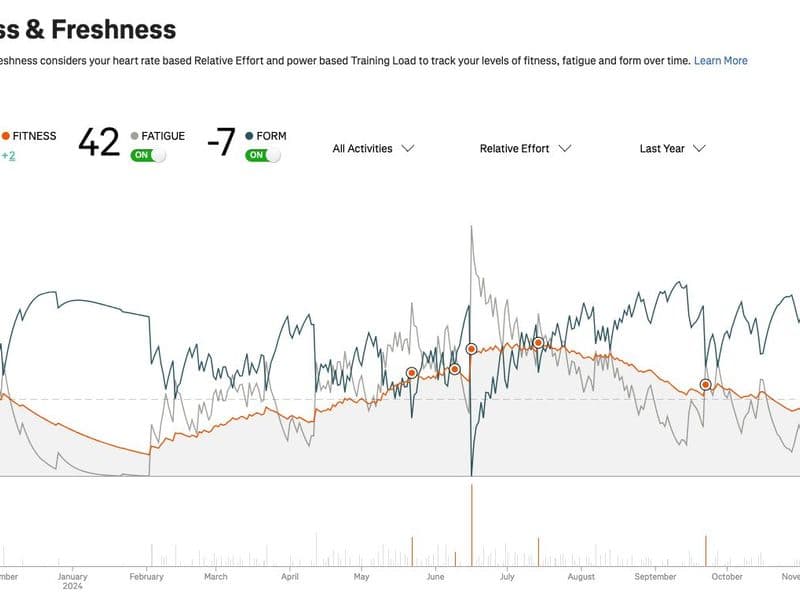
Fitness, fatigue, and form. The three metrics that changed how I train. Here is how understanding Strava's Fitness and Freshness model saved me from b...